


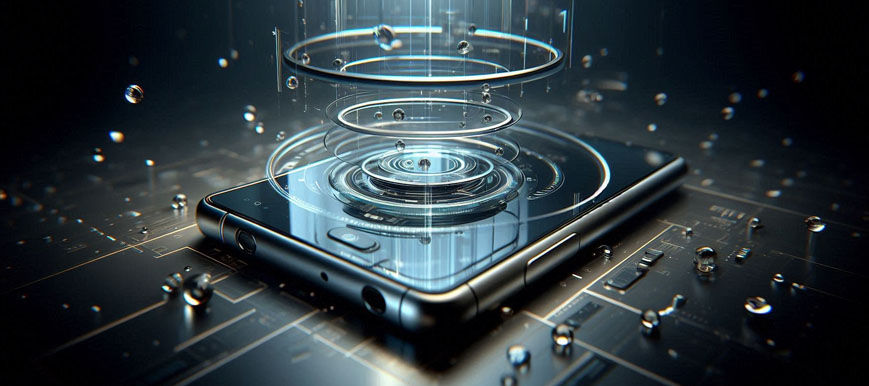
3D product animation has revolutionised how businesses showcase products across industries, from consumer electronics to mechanical components and medical devices. By visualising products in motion, businesses can communicate intricate details, complex assemblies, and operational processes with clarity and precision.
For high-tech products like electronics, 3D animation allows designers to illustrate internal circuitry, component placement, and functionality in a dynamic and engaging way. Animations highlight features such as user interfaces, responsive controls, and innovative mechanisms that may not be obvious from static images.
Mechanical products benefit greatly from 3D animation as it can demonstrate moving parts, assembly sequences, and operational workflows. This is particularly valuable for heavy machinery, automotive parts, and industrial equipment. Animations ensure engineers, clients, and manufacturers fully understand the product’s mechanical operations before physical prototypes are built.

“3D product animation bridges the gap between complex design and clear communication, ensuring stakeholders truly understand the product.”
Medical devices require precise visualisation to demonstrate functionality, assembly, and safe usage. 3D animations can illustrate surgical instruments, diagnostic tools, or patient-care devices in action. By showing exact movement, operation, and interaction, these animations improve training, marketing, and regulatory approval processes.
Interactive 3D animations allow potential customers or stakeholders to rotate products, explore internal mechanisms, or see alternative configurations. This is especially important for customisable products or technical devices where demonstrating adaptability or modularity adds value.
Animations create compelling marketing content for websites, social media, and presentations. Moving visuals demonstrate usability, efficiency, and product aesthetics. This immersive experience strengthens brand identity, increases engagement, and boosts customer confidence.
3D animations can also illustrate sustainable product features, such as recyclable materials, energy-efficient operation, or modular assembly. Showing these aspects visually reinforces corporate responsibility while informing stakeholders about product benefits.
Advancements in AI, real-time rendering, and VR/AR integration are enabling faster production and interactive experiences. AI assists with camera angles, material setups, and procedural animations, but creative input remains crucial for storytelling and highlighting key product attributes.
3D product animation is essential for businesses in technology, mechanical engineering, and medical industries. It communicates product design and functionality in a visually compelling and highly detailed way, improves stakeholder understanding, accelerates decision-making, and creates impactful marketing content that drives engagement and trust.